Articles —
Forest bathing in urban green spaces: what works and what does not
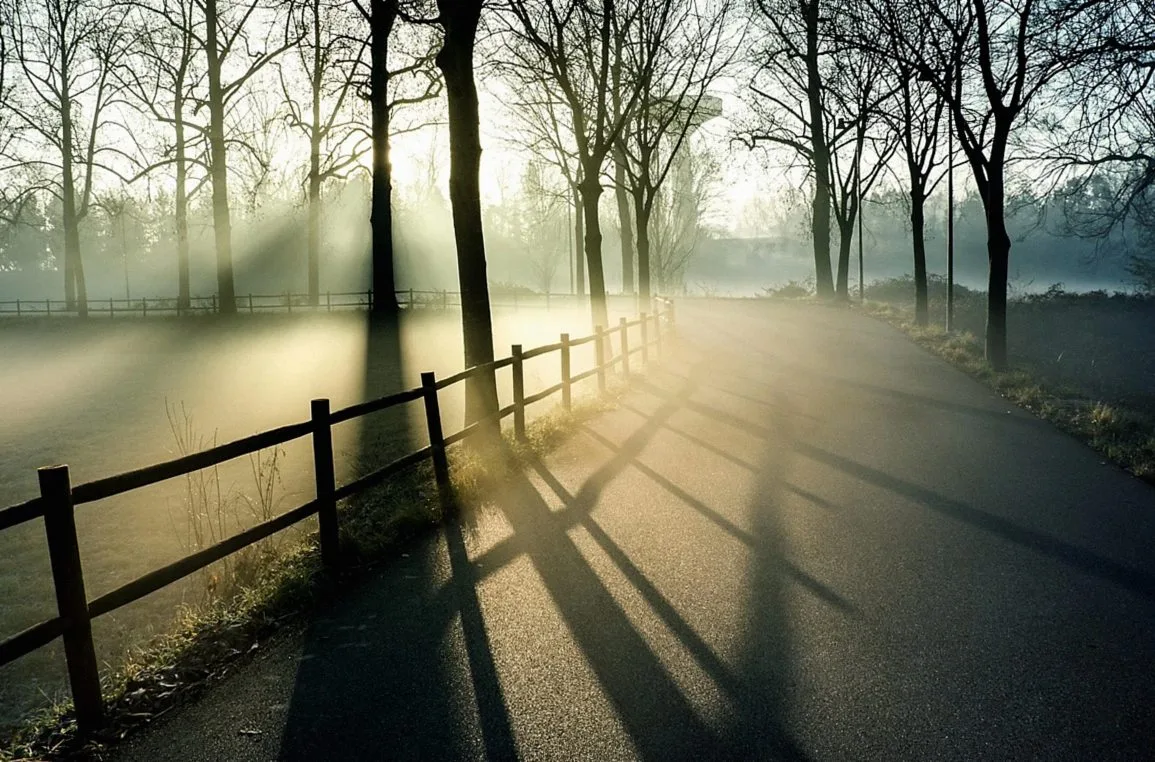
The shinrin-yoku research was conducted in forests, and the word forest is doing real work in that sentence. The physiological effects documented in the Japanese studies, the reductions in cortisol, the improvements in natural killer cell activity, the decreases in blood pressure, were measured in environments with significant tree cover, minimal traffic noise, and low human density. An urban park is not that environment. But it is not nothing, either.
What urban green spaces can offer
Any environment with tree cover, moving air, and some distance from traffic noise can support a version of the shinrin-yoku practice. The key variables are not the size of the space but the quality of attention you bring to it. A 20-minute walk through a small urban park, conducted slowly and with deliberate sensory attention, will produce a measurable shift in physiological state.
The phytoncides, the volatile organic compounds released by trees that are thought to be one mechanism behind shinrin-yoku's effects, are present wherever trees are growing. Urban trees produce them. Street trees produce them. The concentration is lower than in a dense forest, but it is not zero.
The honest limitations
Traffic noise is the most significant limitation of urban green space for a contemplative practice. The research on noise and stress is clear: intermittent unpredictable noise, which describes urban traffic accurately, maintains the stress response in a way that continuous or predictable sound does not. A park bordered by a busy road is a compromised environment for the kind of deep sensory attention that shinrin-yoku requires.
Human density is the second limitation. The practice depends on a quality of attention that is difficult to sustain when other people are nearby, particularly if they are moving quickly, talking loudly, or using the space for exercise. Early morning and evening visits to urban parks reduce both of these limitations significantly.
Practical adaptations for city-based practitioners
The most effective adaptation for urban practitioners is timing. Early morning, before the park fills with commuters and dog walkers, and evening, after the after-work crowd has dispersed, are the two windows when urban green space most closely approximates the conditions of a forest practice.
Sound is the other adaptation. Some practitioners use in-ear sound cancellation to reduce traffic noise during the early part of a session, removing the earphones once they have settled into the practice. This is a pragmatic compromise rather than an ideal solution, but it works for many people in dense urban environments.
The Twilight Trail Guide includes a section specifically adapted for urban green corridors and neighborhood parks. If you are working with limited access to woodland, it is the most practical starting point in the current program catalog.
Miriam Okafor · Urban nature · Forest bathing · City parks · Shinrin-yoku