Articles —
What to observe in a winter forest: a field guide
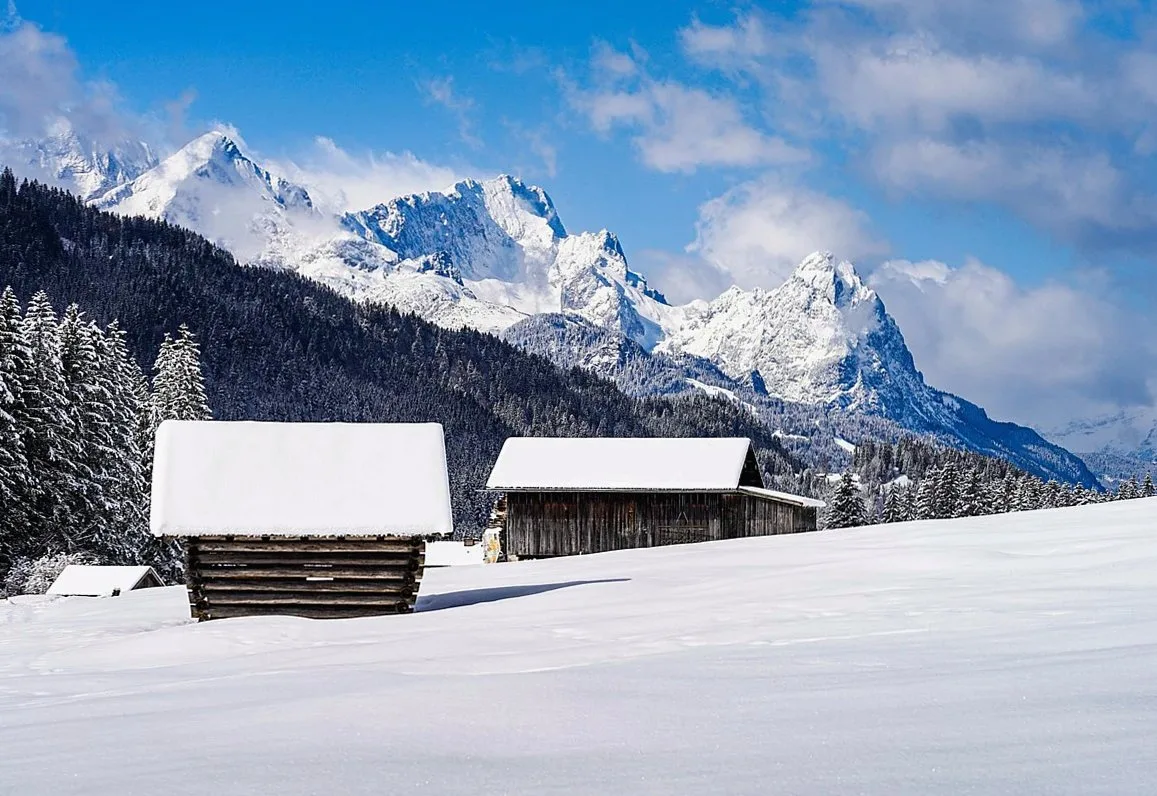
The bare woodland between December and February rewards a different kind of attention than any other season
Winter is the season that most people skip in their forest practice. The cold is a deterrent, the bare trees seem to offer less than the lush canopy of summer, and the shorter days compress the available light. All of this is understandable. It is also a significant loss, because the winter forest is doing things that are invisible in every other season.
The architecture of bare trees
When the leaves are down, the structure of individual trees becomes legible in a way it never is in summer. The branching pattern of a mature oak, the way a sycamore's upper branches divide and subdivide against a grey sky, the lean of a cottonwood over a frozen creek, these are things you can only see clearly in winter.
Spend time with one tree on multiple visits and you will begin to understand its history. A trunk that bends sharply and then straightens was probably suppressed by a neighboring tree that has since fallen. A cluster of dense twigs at the end of a branch is likely a witches' broom, caused by a fungal or bacterial infection. The tree is a record of everything that has happened to it, and winter is when that record is readable.
What is still active in the winter woodland
The winter forest is not dormant. Chickadees, nuthatches, and downy woodpeckers are active all day in temperatures that would keep most species grounded. White-tailed deer are highly visible in the bare woodland, particularly in the hour around dawn and dusk. Great horned owls begin their courtship calls in January, which is earlier than most people expect.
Fungi are worth looking for specifically in winter. Many species of bracket fungi, including the turkey tail and various Ganoderma species, are most visible after leaf fall and persist through the winter. They are easier to find on dead logs and stumps when the ground cover is gone.
Adapting the twilight practice for winter
Winter twilight in the Midwest arrives early, which compresses the available window for an evening forest walk. Sunset in Portland falls before 5:00 p.m. From late November through early January. This means a twilight walk needs to begin by 3:30 or 4:00 p.m. To catch the full transition from afternoon light to darkness.
The cold requires preparation that summer walks do not: insulated layers, waterproof footwear, and a headlamp that works reliably in low temperatures. Hand warmers are useful not for comfort but because cold hands make it difficult to write in a field journal, and the field journal is one of the most important tools in the practice.
The winter solstice dispatch, sent each December 21, covers what is ecologically active in temperate North American woodland during the weeks around the solstice. It is the edition that subscribers most consistently say they return to.
Miriam Okafor · Winter forest · Field guide · Woodland observation · Seasonal